Morning Movement
Starting the day with a short walk or gentle movement may help create a relaxed tone without pressure.
Daily Movement Guide
A practical, informational overview of how natural movement can become a comfortable part of everyday life.
Walking & Everyday Mobility
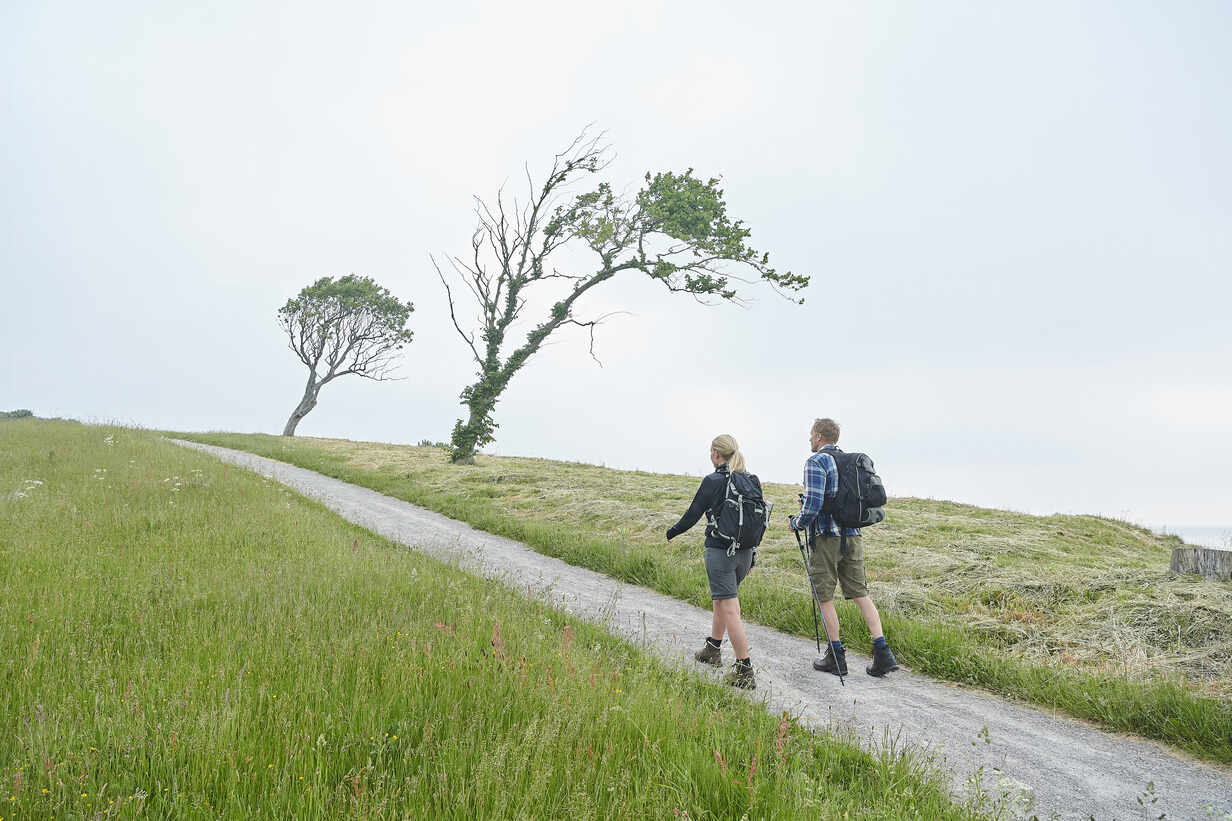
Walking is one of the most natural and accessible forms of movement. Whether it's a morning stroll, a walk to the shop, or a lunchtime loop around the block — it all adds up gently over time.
No distance targets or speed goals — just comfortable, enjoyable movement
Combine walking with errands, calls, or social time
Adapt your pace and route to how you feel each day
What This Guide Covers
This guide explores how everyday actions — walking to a shop, standing while reading, or taking a gentle stroll — can naturally build a more comfortable and active daily rhythm over time.
There are no targets to hit, no performance benchmarks, and no rigid plans. The focus is on awareness, ease, and finding what fits naturally into your own day.
Starting the day with a short walk or gentle movement may help create a relaxed tone without pressure.
Stairs, open spaces, and everyday routes offer natural opportunities to include a little more movement in your regular day.
Brief moments of movement spread throughout the day can be just as comfortable and enjoyable as longer sessions.
A gentle walk or light stretching in the evening can help your body and mind transition into rest naturally.
A Sample Day
This is an illustrative example — not a schedule to follow. It shows how movement can flow naturally throughout a typical day.
A short walk outside, some light stretching, or simply standing on a balcony — whatever feels natural as you begin your day.
Step away from your desk briefly — walk to get water, stand while reading an email, or take a few moments by a window.
If possible, take a short walk during your break. Even 10 minutes outside may provide a natural change of pace.
Use natural transitions between tasks as mini-movement moments — standing, brief walks, or light stretching between meetings.
An easy stroll or gentle movement to close the day. Focus on enjoyment rather than duration or pace.
Core Ideas
Mixing different types of movement throughout the day tends to feel more sustainable than repeating a fixed routine.
Your sense of comfort is a useful guide. Movement that feels pleasant and manageable is more likely to become a lasting habit.
Rest and recovery are part of a balanced approach. Periods of stillness and calm are just as valuable as periods of movement.
There is no ideal amount or type of movement. Exploring what feels right for you personally is the most important first step.